Building a Smart Campus Through Sound, Empowering Education with Technology | Hishico End-to-End Audio-Visual System Deployed at Yinchuan No. 32 Middle School
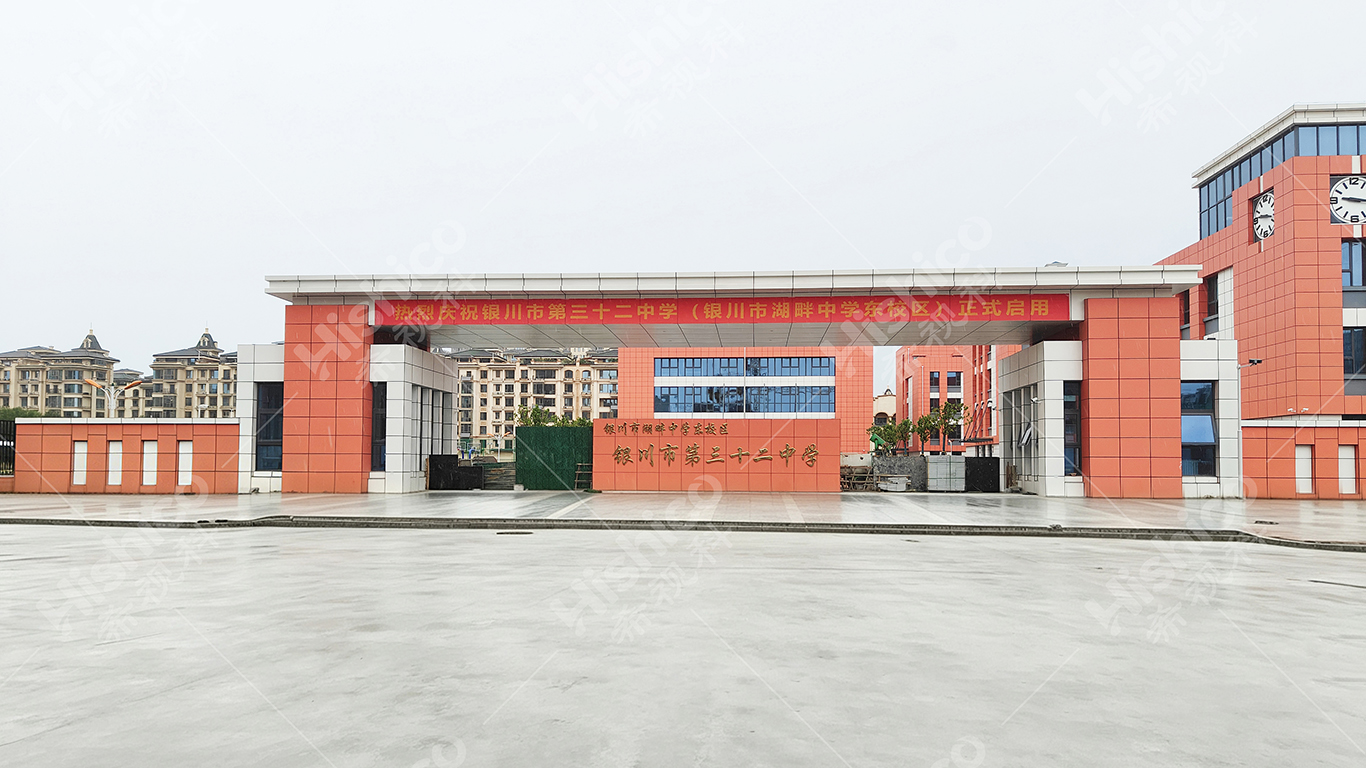
To further advance the development of a smart campus, optimize the campus teaching environment, and upgrade campus infrastructure, Yinchuan No. 32 Middle School has completed a comprehensive upgrade of its campus audio-visual system, officially implementing Hishico IP network broadcasting system and an integrated professional audio-visual solution for the auditorium. This project covers all scenarios across the school, including daily management, classroom instruction, assemblies, emergency security, academic seminars, and cultural performances. By leveraging digital audio technology, it creates a stable, clear, and intelligent campus audio environment, helping to improve the quality and efficiency of the school’s teaching and management.
I. Campus-Wide Deployment: Hishico IP Network Broadcasting System—Building a Smart Audio Hub for Campuses
The Hishico IP Network Broadcasting System has been installed throughout the campus. By leveraging the campus’s existing local area network (LAN) to build a digital audio transmission network, the system overcomes the shortcomings of traditional analog broadcasting—such as high levels of background noise, limited zoning options, and outdated management capabilities—and provides full coverage of all areas across the campus, including classroom buildings, sports fields, cafeterias, dormitories, and hallways. Its key features are as follows:
1. Precise zoning and management to ensure that teaching activities do not interfere with one another
The system utilizes IP addressing technology to assign a unique network address to each broadcast terminal, allowing for flexible grouping by grade, class, floor, and outdoor area. This enables simultaneous playback across multiple zones, independent announcements in a single zone, and combined announcements across multiple zones. During daily instruction, the system can play English listening exercises, light music during breaks, and synchronized athletic instructions on the playground. Multiple content streams can be played simultaneously without crosstalk or interference, completely resolving the issue of traditional school-wide broadcasts disrupting classroom order.
2. Fully automated, scheduled operations and maintenance, freeing up time for daily campus management
The system features an intelligent scheduling backend that allows you to preset multiple daily schedules. Class start and end bells, eye exercises, lunch break reminders, dismissal music, and flag-raising ceremony accompaniment can all be played automatically 24/7 without human intervention. For special occasions such as schedule adjustments during seasonal changes, midterm and final exams, and sports meets, users can simply switch to a preset playback template with a single click—no need for repeated manual operations. The system also supports hot-plugging USB drives and storing audio files on a local hard drive, allowing for the storage of a vast amount of audio content to meet routine playback needs such as morning reading announcements, campus cultural promotions, and safety education, thereby significantly reducing the workload on support staff.
3. High-fidelity digital transmission, delivering stable sound quality with strong clarity
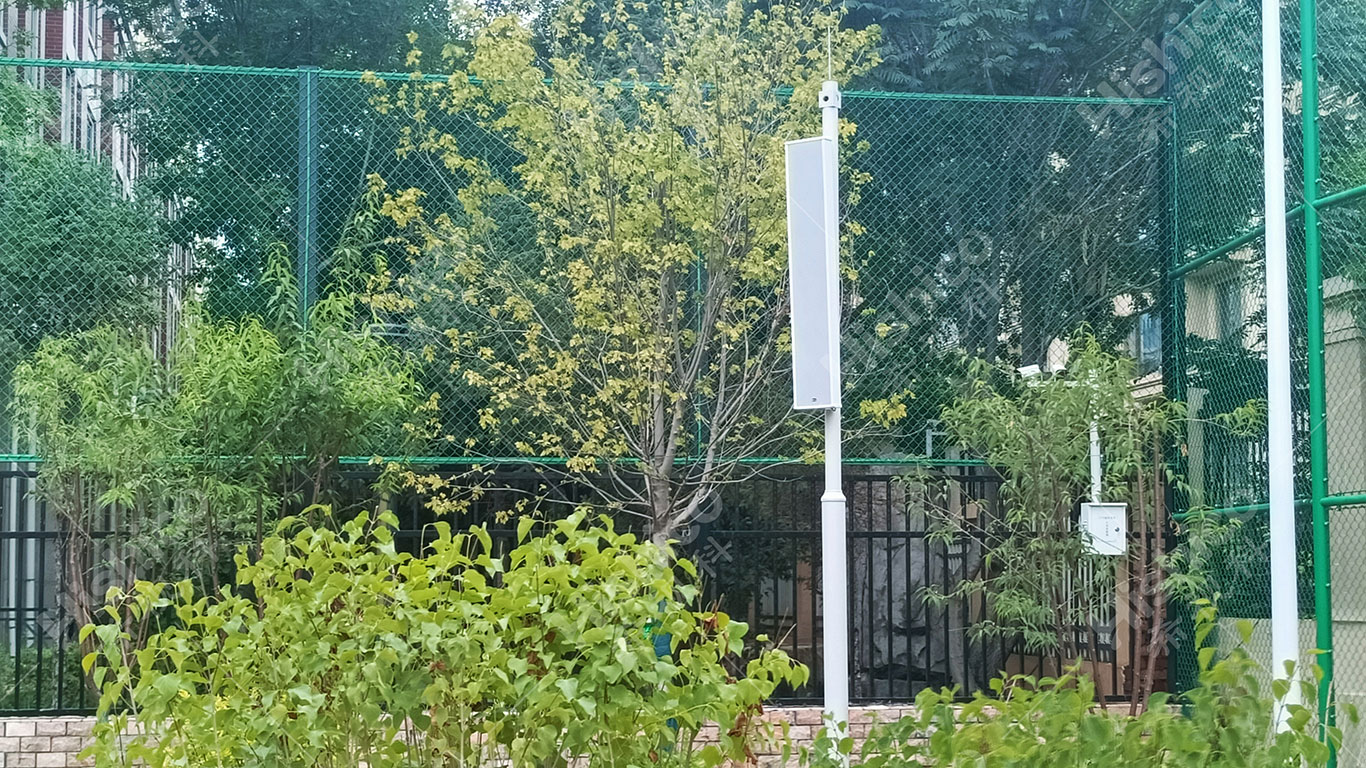
The system uses digital signal transmission throughout, eliminating issues such as signal attenuation, electrical noise, and muffled sound caused by long-distance transmission. Whether for close-range listening in classrooms or long-distance transmission across open spaces like schoolyards, voices remain clear and crisp, and music is rich and full of depth. The system utilizes industrial-grade hardware, ensuring stable and durable operation during long-term, round-the-clock use. It is designed to withstand the extreme day-to-night temperature fluctuations typical of northwestern regions. The outdoor sound columns are waterproof and dustproof, while the indoor speakers feature gentle noise reduction, balancing auditory comfort with transmission range.
4. Prioritize Emergency Response Coordination to Strengthen Campus Security
The system features a high-priority forced-override mechanism and integrates seamlessly with the campus fire and security systems. In the event of a fire, severe weather, evacuation drills, or sudden emergencies, administrators can activate the emergency broadcast system with a single button. They can choose to issue campus-wide alerts or targeted broadcasts to specific areas, quickly and clearly communicating evacuation routes and safety instructions to ensure the safety of all faculty and students immediately, thereby elevating the broadcast system to a critical tool for campus emergency command.
II. Specialized Upgrades for the Auditorium: Hishico Professional Sound Reinforcement + Digital Conference System—A One-Stop Solution for Diverse Event Needs
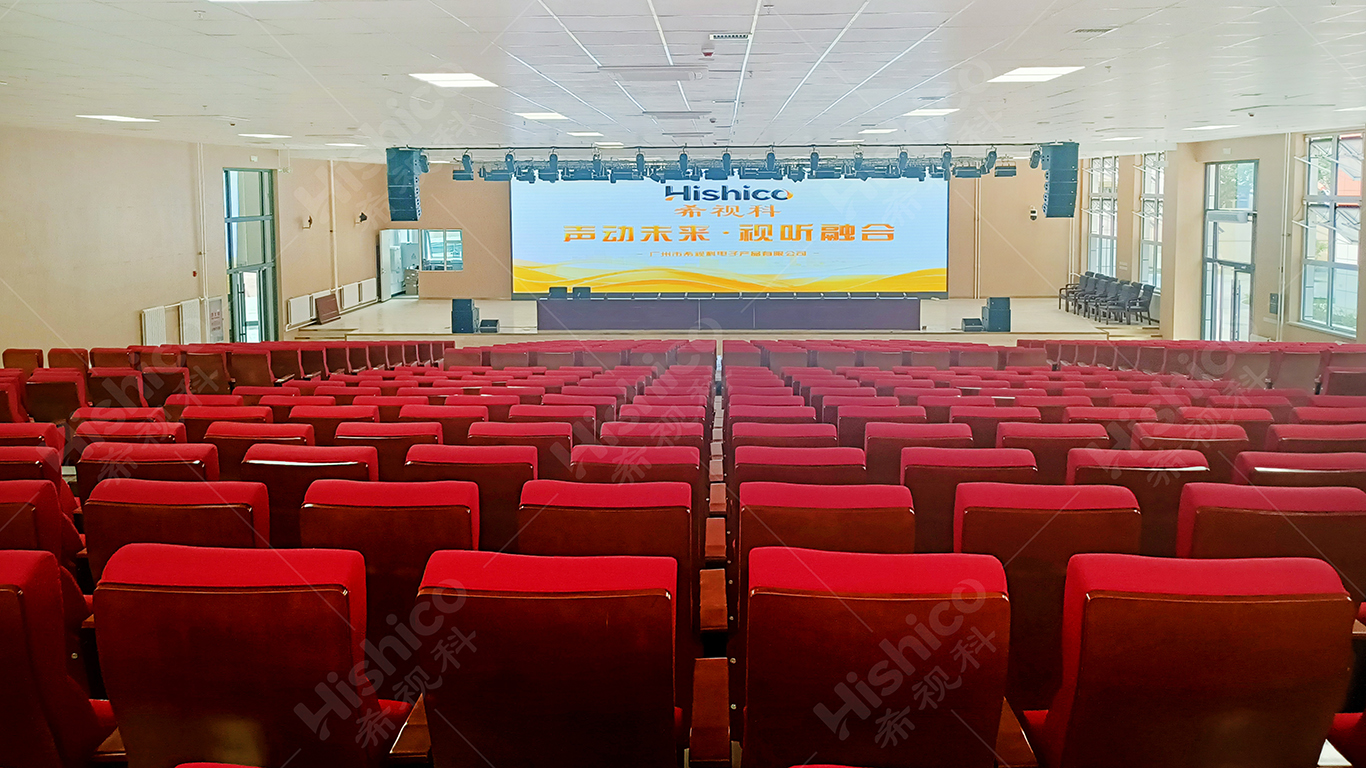
As the central venue for the school’s academic exchanges, large-scale conferences, open classes, cultural performances, and award ceremonies, this project features a custom-designed professional sound reinforcement system and digital conference system from Hishico. The hardware was scientifically arranged based on the auditorium’s spatial structure and acoustic environment to create a professional sound field suitable for both conferences and performances.
(1) A multi-speaker configuration in a professional sound reinforcement system, providing a uniform sound field with no dead zones
1. Line array speakers as the core of the main sound reinforcement system: Suspended above the stage, they leverage the advantages of a linear sound source—long-range projection and high directivity—to ensure uniform vertical sound projection and significantly reduce sound pressure attenuation at long distances. ensuring that the sound is not harsh in the front rows and remains clear in the back rows of a lecture hall. They deliver consistent sound quality throughout venues seating over a thousand people, eliminating the “booming in the front, muffled in the back” issue, and are ideal for long-distance sound reinforcement scenarios such as large-scale speeches and choral performances.
2. Professional full-range speakers for supplementary sound reinforcement: Placed on the walls on both sides of the venue, they fill in the blind spots at the edges of the sound field, optimize horizontal coverage, and ensure consistent audio quality for seats in the corners on both sides. They are commonly used for daily meetings and public lectures, delivering clean and natural vocal reproduction.
3. Directional stage monitor speakers: Placed at the front edge of the stage and specifically aimed at speakers and performers, these allow those on stage to clearly hear their own voices and accompaniment in real time. This prevents off-key singing or stuttering caused by poor on-stage audibility, significantly enhancing the fluidity of performances and speeches.
4. Subwoofers to Enhance Atmosphere: These supplement low-frequency sound effects, adding depth and emotional impact to cultural performances, choral singing, and speeches with musical accompaniment. In conference mode, the low frequencies are reduced to prioritize vocal clarity, allowing a single system to seamlessly adapt to both scenarios. The entire sound reinforcement system features a built-in intelligent anti-feedback module that automatically suppresses microphone noise and echoes. It operates at full capacity for extended periods without distortion or signal dropouts and is equipped with multiple protection mechanisms against overload, overheating, and short circuits, ensuring stable and reliable performance even during peak event times.
(2) Digital Conference Systems: Creating Efficient and Standardized Meeting Environments
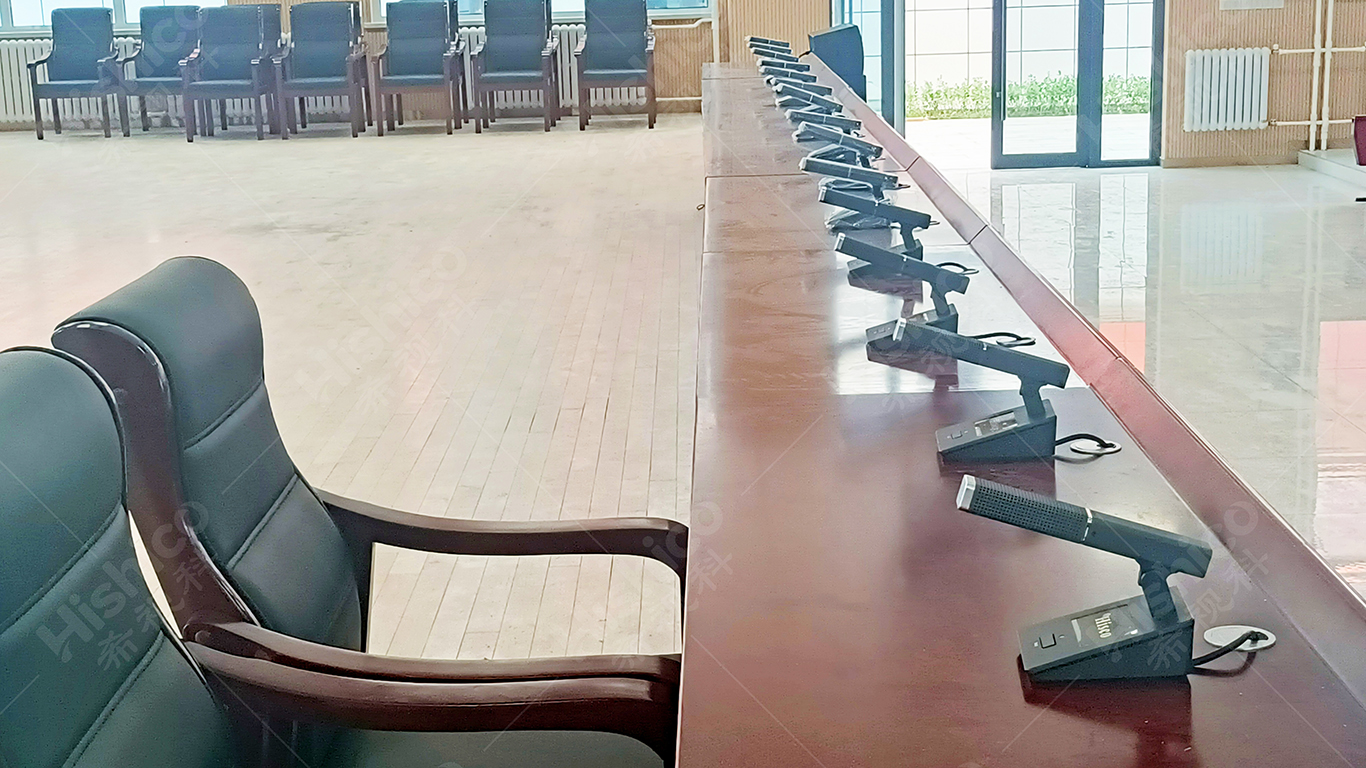
The chairman’s seat in the auditorium is fully equipped with Hishico digital conference speaking units, featuring high-sensitivity microphones and low-latency digital transmission, ensuring clear and stable audio capture—even at long distances. The system supports speaker queuing, chairperson priority control, and one-touch muting, making it easy to facilitate orderly multi-speaker discussions and synchronize online and offline meetings. Paired with a dedicated audio processor, it allows for quick presetting of four sound modes—meeting, performance, speech, and training—eliminating the need for repeated equipment adjustments when switching between scenarios. Even instructors with no prior experience can quickly get started, making it suitable for a wide range of meeting scenarios, including educational research forums, lectures by renowned external experts, faculty meetings, and live-streamed open classes.
III. Conclusion:
The collaboration between Yinchuan No. 32 Middle School and Hishico to implement an integrated audio-visual project is not merely a hardware upgrade, but a significant step toward the school’s digital and smart campus development. Moving forward, Hishico will continue to focus on the educational audio-visual sector. With stable and reliable hardware and mature, tailored solutions, Hishico will support Yinchuan No. 32 Middle School in continuously optimizing its campus environment—conveying knowledge through clear audio and fostering growth with the power of technology—to help the school steadily advance toward a new phase of high-quality, modern education.