Smart Energy, Sounding the Future: Hishico Systems Installed in the Conference Room of the National Energy Group Science and Technology Research Institute
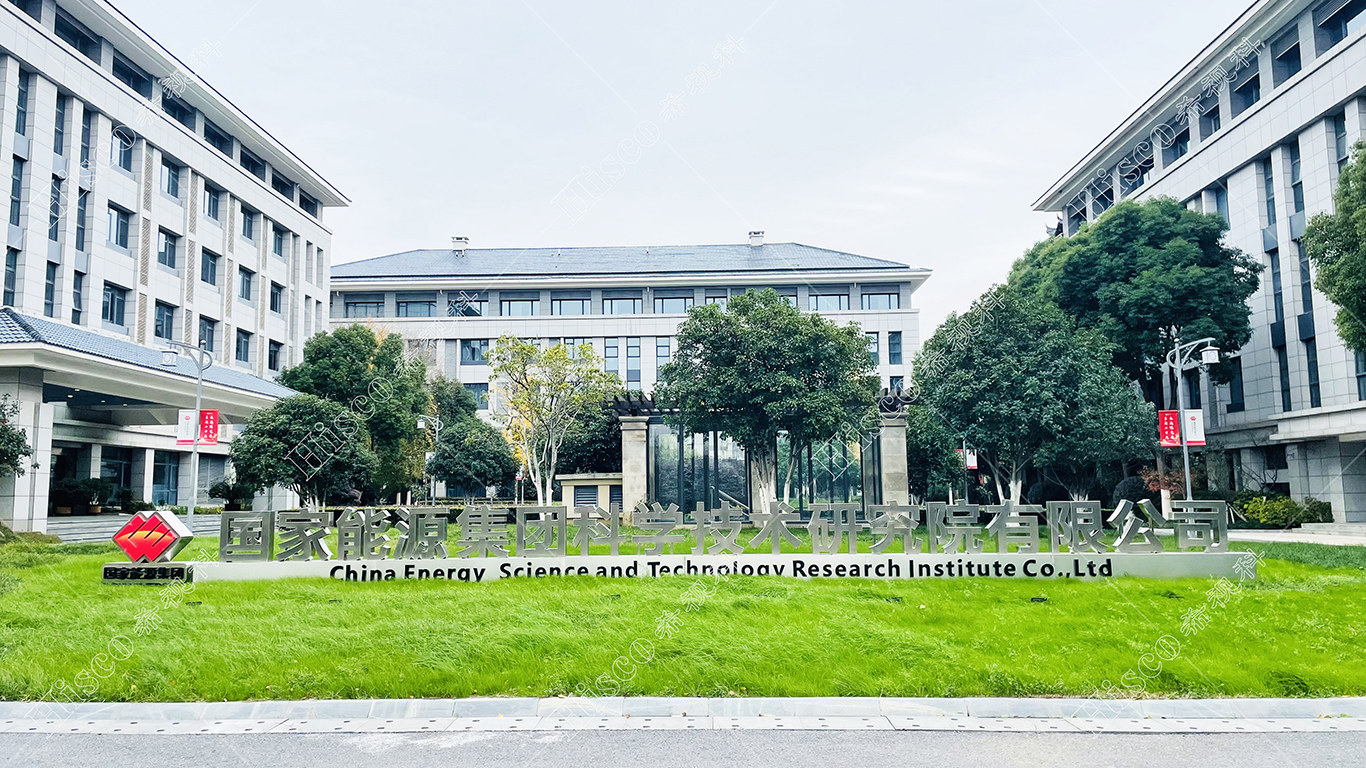
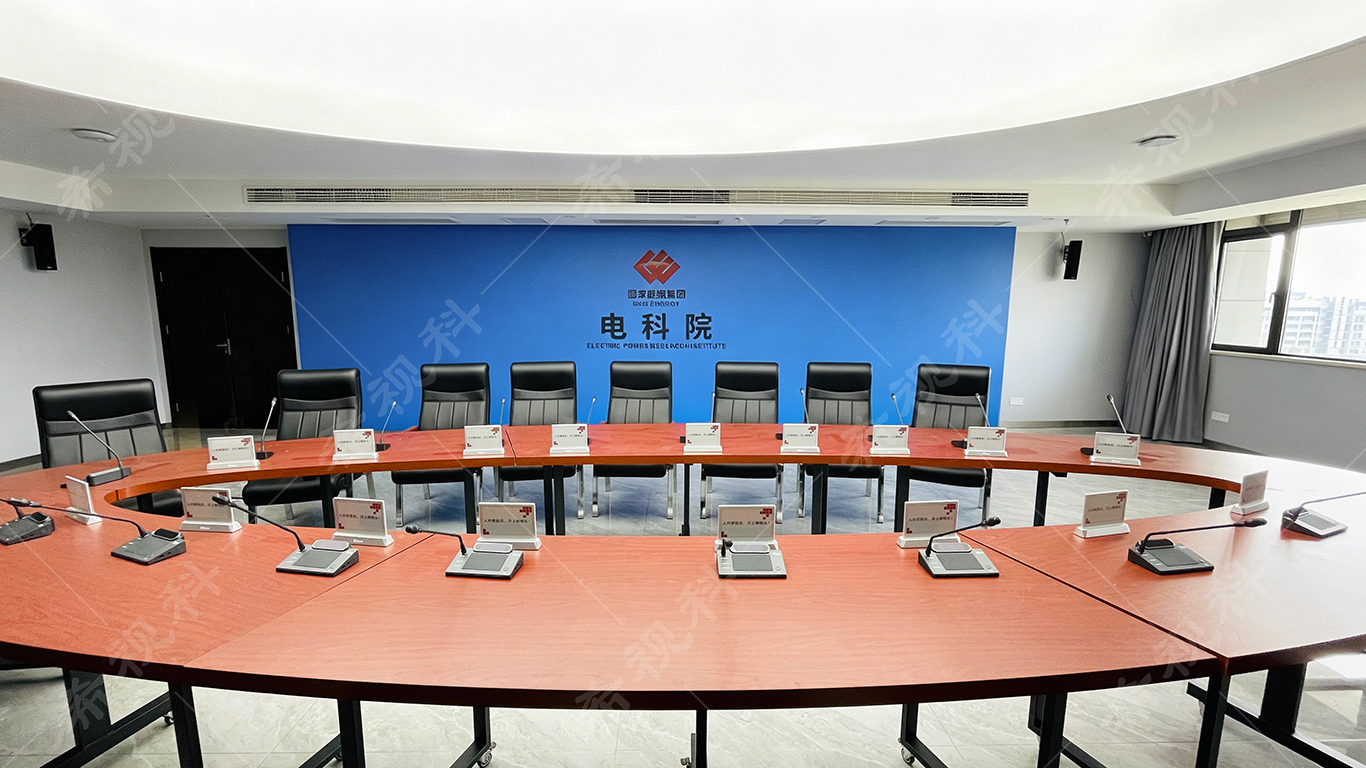
As a core research institution in China’s energy sector, the Science and Technology Research Institute of the National Energy Group Co., Ltd. relies on its conference rooms to fulfill critical functions such as technical research and development discussions, project reviews and evaluations, and strategic decision-making. Recently, the institute successfully deployed Hishico professional sound reinforcement systems, digital conferencing systems, electronic nameplates, and paperless tablet systems in its conference rooms. This all-scenario smart conferencing solution has established an efficient and intelligent support platform for scientific research and deliberations.
Professional Sound Reinforcement System: Faithfully Reproducing the Sounds of Scientific Research
The sound quality in a conference room directly impacts the efficiency of discussions and the accuracy of decision-making. Hishico professional sound reinforcement system is scientifically configured based on the acoustic environment to ensure a uniform sound field and clear, rich speech throughout the room. The system effectively eliminates feedback and echoes, significantly improving speech intelligibility, so that technical presentations and expert commentary are accurately conveyed to every attendee. With its reliable sound reinforcement quality, it ensures the success of every high-level scientific dialogue.
Digital Conference Systems: Standardizing Processes to Improve Quality and Efficiency
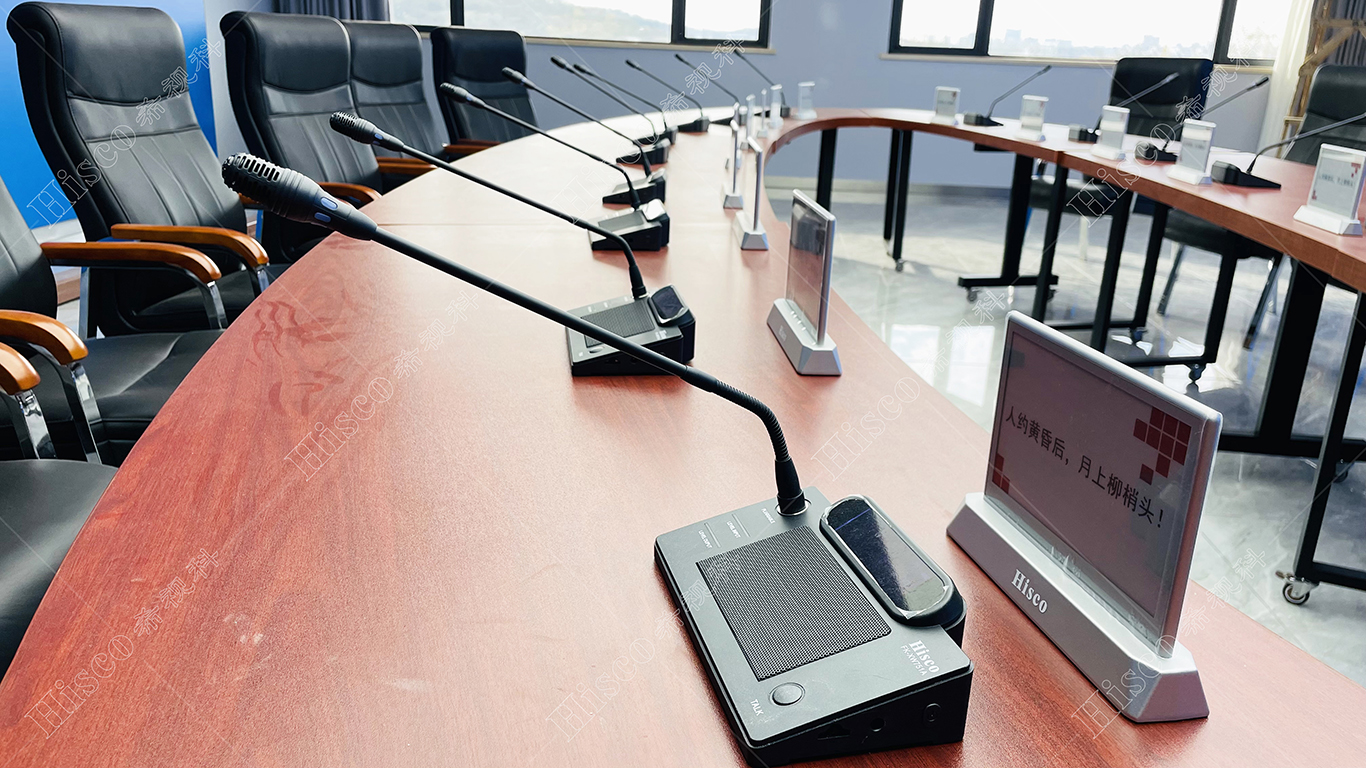
The Hishico Digital Conference System integrates features such as speaker discussion and priority control, making it suitable for a variety of scenarios, including expert review meetings, project evaluation meetings, and working sessions. The microphones utilize a supercardioid polar pattern and anti-interference technology to ensure clear and pristine audio pickup, maintaining excellent voice separation during round-robin discussions. The chairman’s unit enables orderly management of the meeting process, while the voting function provides a confidential channel for collective decision-making on major matters, helping to ensure that deliberations and decision-making are conducted in a more democratic and standardized manner.
Electronic Nameplates: The Details That Reflect a Professional Image
Hishico electronic nameplates completely replace traditional paper nameplates, using high-definition displays to clearly show attendees’ names and titles. Names can be imported in bulk before the meeting and flexibly adjusted on-site; in the event of last-minute changes, the system can be updated with a single click from the backend, eliminating the need for reprinting. Their sleek and elegant design, combined with clear and eye-catching displays, enhances the professionalism and formality of meetings, while also embodying the principles of green, low-carbon office practices.
Paperless Tablet System: Green and Smart Protection for Information Security
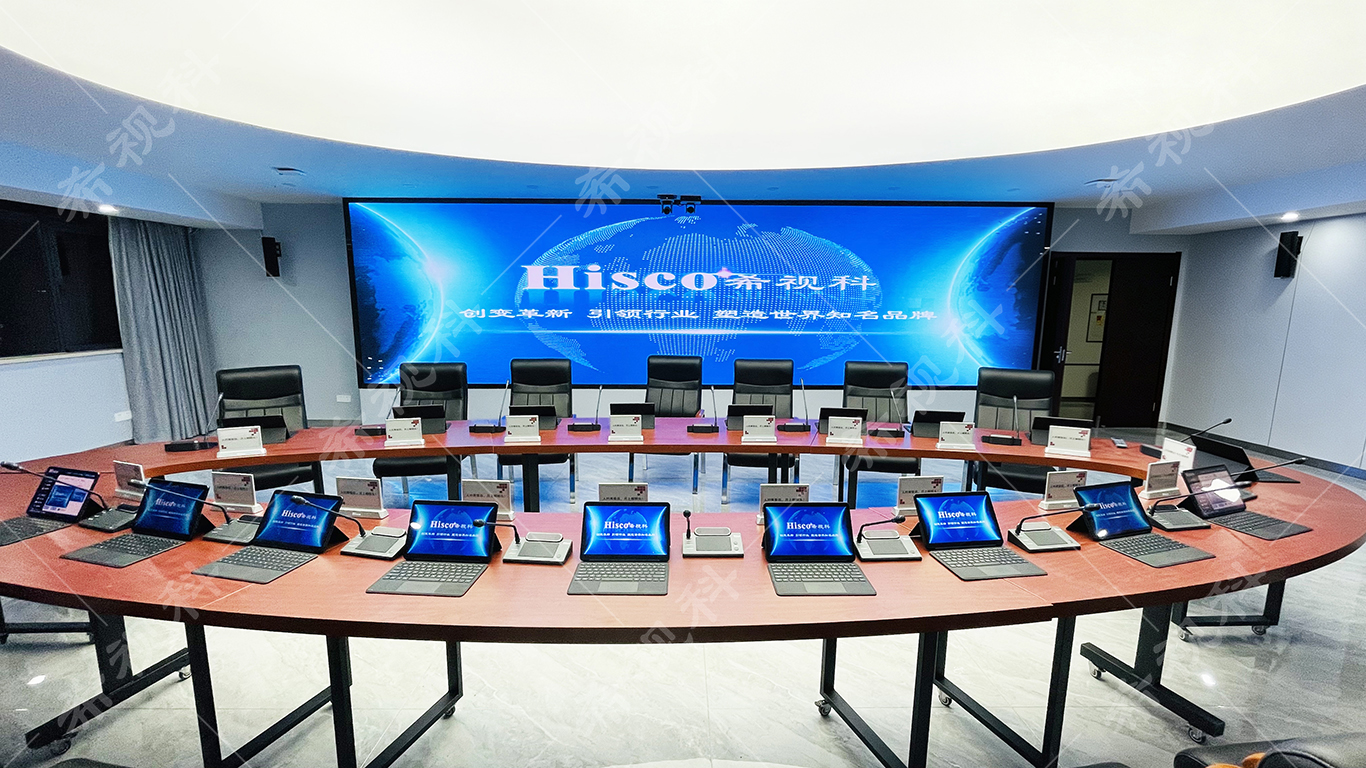
Given that scientific research conferences often involve sensitive information such as core technical data and strategic planning, Hishico paperless tablet system enables digital management of meeting materials throughout their entire lifecycle. Pre-meeting materials are pushed to each participant’s device with a single click; during the meeting, the system supports interactive operations such as annotation, navigation, and screen sharing; and after the meeting, materials are automatically archived, with access controls and secure destruction managed according to confidentiality levels. The tablet terminals are lightweight, portable, and feature responsive touchscreens. They incorporate multiple built-in security mechanisms—ranging from encrypted data transmission to device access controls—to comprehensively safeguard the security of scientific research information.
System Integration: Synergistic Benefits Through a Four-in-One Approach
The four major systems work in close coordination through a unified platform—the digital conferencing system ensures orderly speaking order; the professional sound reinforcement system clearly projects audio throughout the venue; electronic nameplates identify attendees; and paperless tablets facilitate all information exchange. During the meeting, each system fulfills its specific role while seamlessly coordinating with the others, providing comprehensive support for every important scientific conference—from visitor guidance and information presentation to audio communication and process management.
Conclusion:
From crystal-clear sound reinforcement to standardized deliberations, from digital nameplates to paperless interaction—the successful implementation of the ishico system at the National Energy Research Institute has leveraged technology to enhance scientific research conferences and utilized intelligent solutions to improve the quality and efficiency of deliberations, providing solid support for every scientific breakthrough and strategic decision on the journey toward building a leading energy nation.