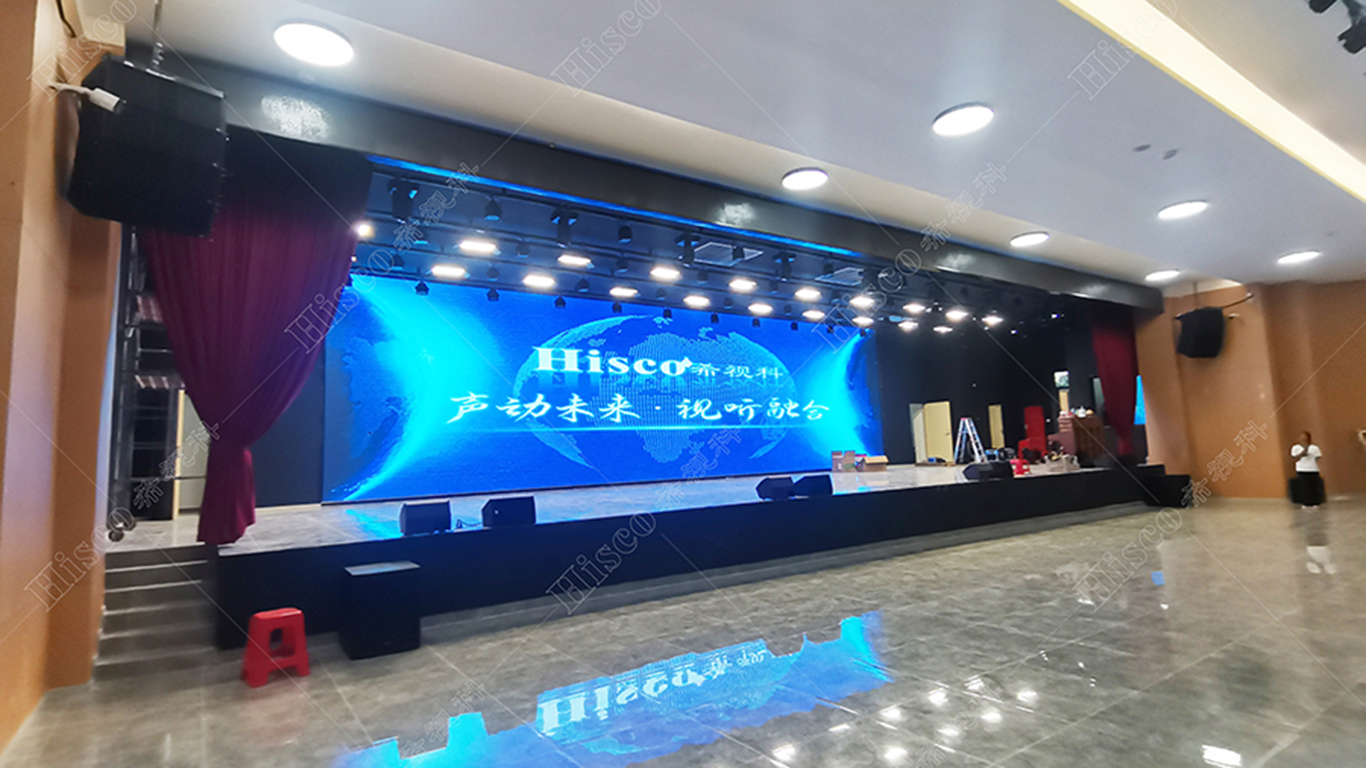
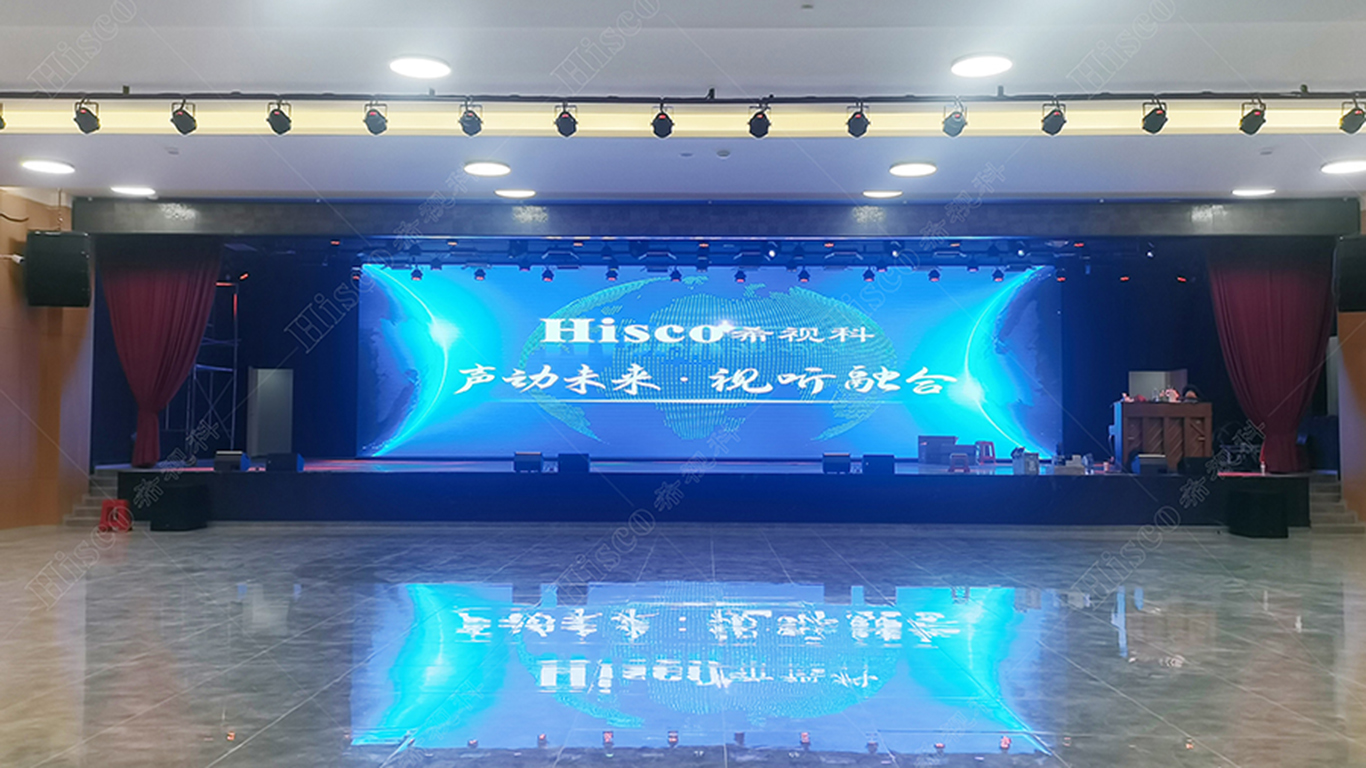
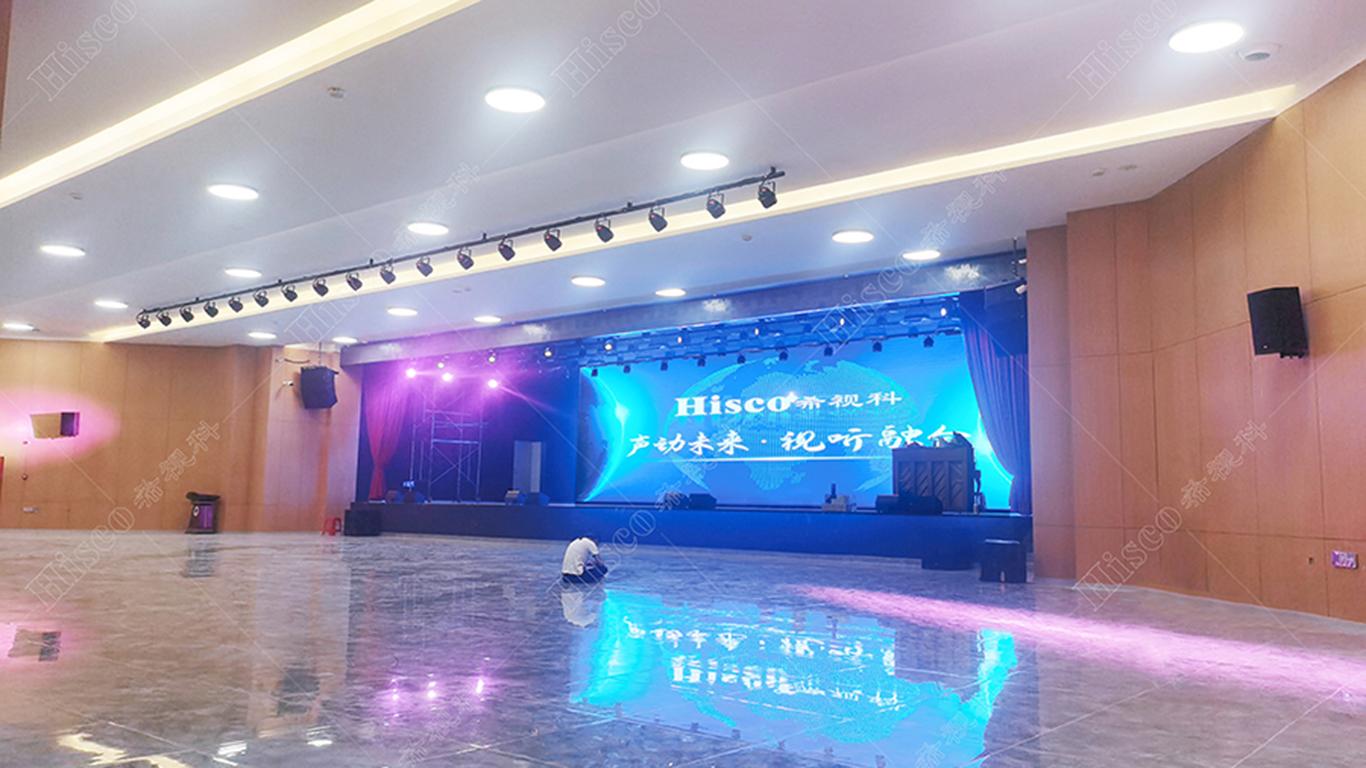
Hishico's Digital Broadcasting System, Professional Sound Reinforcement System, and Stage Lighting System Successfully Installed at Wuzhishan No. 3 Primary School, Providing Advanced Teaching and Event Support Facilities
School Profile:
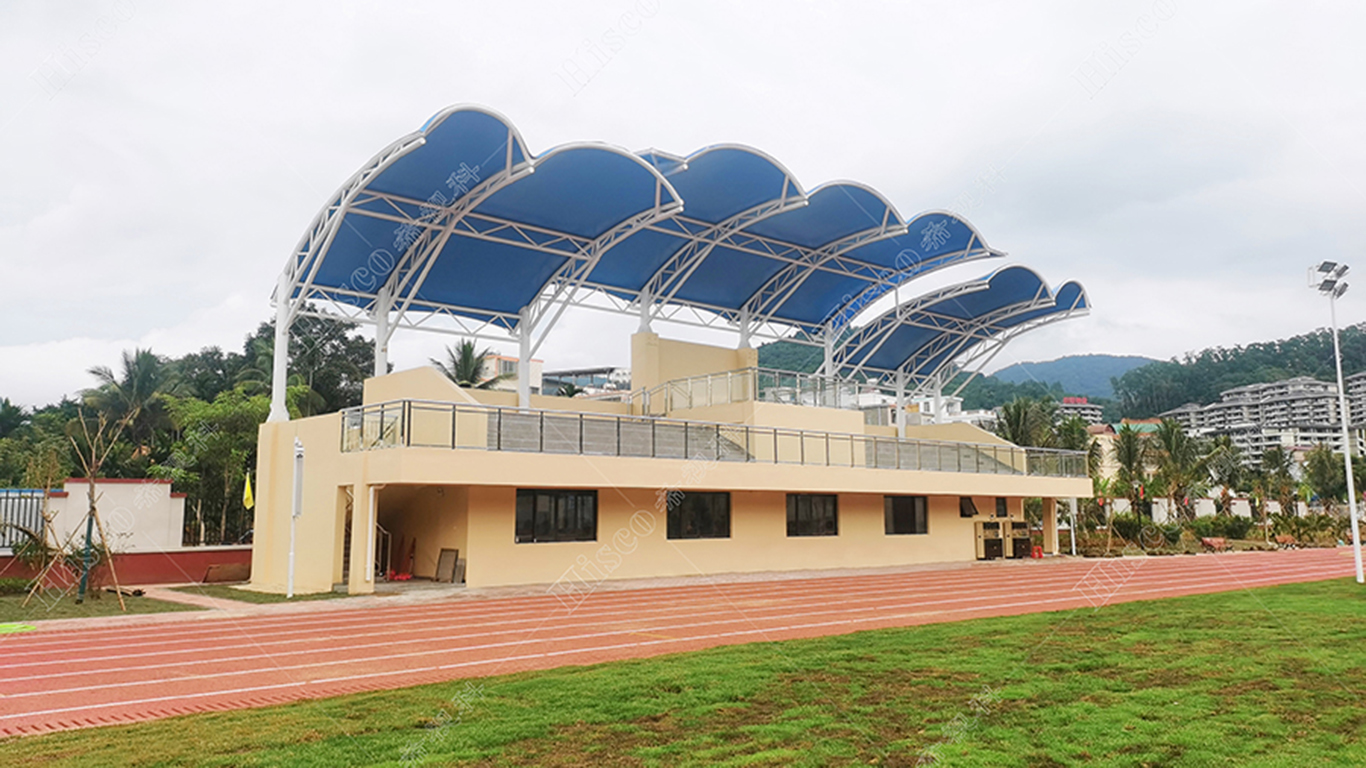
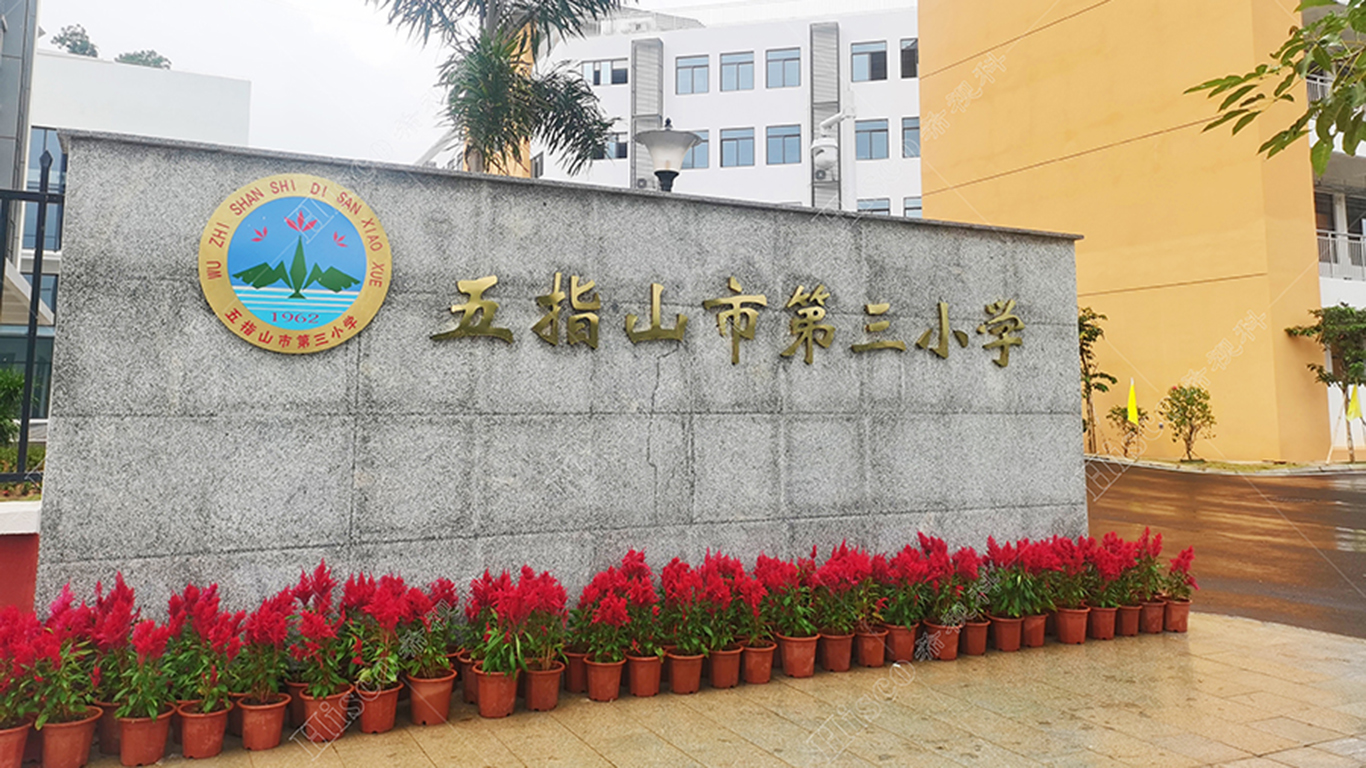
Wuzhishan No. 3 Primary School is located along the banks of the flowing Nansheng River, nestled close to the picturesque Emerald Mountain City. Founded in 1962, the school has undergone 52 years of development, with three name changes: from the former Hainan Li-Miao Autonomous Prefecture No. 3 Primary School, to Tongshi No. 3 Primary School in Hainan Province, and finally to its current name, Wuzhishan No. 3 Primary School in Hainan Province.
Project Overview:
• This auditorium is located at Wuzhishan No. 3 Primary School and serves as an important multifunctional venue for the institution. Its construction not only reflects the nation's strategic emphasis on cultural and sports facilities within the smart campus framework but also responds to the Ministry of Education's clear directives in the "2023 Education Informatization Work Priorities" and the "Construction Standards for Digital Campuses in Higher Education Institutions" regarding advancing educational modernization, achieving balanced educational development, enhancing the quality of the school learning environment, and promoting the comprehensive development of students in moral, intellectual, and physical aspects.
• As a comprehensive activity space, this auditorium is endowed with multiple functions. It serves as an ideal venue for meetings, large-scale classes, academic lectures, and teacher research exchanges, as well as an important stage for school artistic performances. The integration of these functions not only optimizes the allocation of the school's teaching resources but also provides teachers and students with a vibrant and creative platform for communication.
• During the project construction, our company conducted in-depth analysis of the relevant requirements and carried out meticulous design accordingly. We recognize that the quality of the project directly reflects the importance the Ministry of Education places on education. Therefore, we exercised exceptionally strict control over engineering quality to ensure that the auditorium's construction becomes a representative of the school's image and a benchmark for advancing educational modernization. Through careful design and construction, we strive to create a modern educational space integrating functionality, aesthetics, and comfort, fully meeting the school's diverse needs.
Project Requirements:
• In constructing this school auditorium project, we adopted cutting-edge design concepts and are committed to achieving a mature technology, stable system operation, and fully functional environment. Additionally, the auditorium aims to ensure it can respond to various activity needs through efficient command and control. Specifically, the auditorium is designed to host large-scale academic conferences, academic lectures, public teaching courses, campus cultural and artistic performances, and educational film screenings. By integrating these functions, it aims to meet the school's diverse activity needs, providing teachers and students with a multifunctional, high-standard venue for academic and cultural events.
• The client and the design institute have the following specific project requirements:
1.Ensure advanced, reliable, and high-cost-performance systems while achieving optimal economy and resource conservation through optimized design.
2.The sound reinforcement system must meet the national first-class standard for multipurpose hall speech reinforcement systems, with clear and intelligible speech. Design indicators shall refer to the "Design Code for Sound Reinforcement System of Halls GB/T 28049-2011" standard.
3.The sound reinforcement system shall feature convenient wireless handheld microphone functionality.
4.The sound reinforcement system shall include high-sensitivity conference discussion microphones, with the chairman's microphone unit having priority speaking functionality.
5.The system shall have seamless audio-visual switching capabilities to meet the needs of various signal sources and different usage scenarios.
6.The system shall be comprehensive, complete, and perfect, integrating lighting, machinery, projection, and audio-visual controls into one unified solution, eliminating complex operations. With a single button on a tablet computer, different meeting modes can be launched, simplifying operational procedures for students.
7.The lighting system needs to provide soft, bright, and non-glaring illumination for meetings, while for performances, it should be able to create a sense of stage space and time, shaping stage performance imagery.
8.The stage machinery and curtain system must meet the reliability and safety standards specified in "Safety of Stage Machinery Equipment on Stage," with load-bearing structures made of carbon structural steel, conforming to inspection and usage specifications. The fire resistance rating and color of the curtains shall meet requirements for daily meetings and artistic performances.
Solution:
Professional Sound Reinforcement System:
In acoustic design, achieving good auditorium sound quality requires three conditions:
1.Favorable architectural acoustic environment.
2.Reasonable sound system configuration.
3.Scientifically grounded sound system commissioning.
Regarding reasonable sound system configuration, our company has decades of experience in sound reinforcement for various auditorium venues. Each venue has its own acoustic characteristics. School auditoriums serve functions such as meetings, academic reports, lectures and discussions, artistic performances, and film screenings, making them highly comprehensive. Because they are school-level auditoriums, they are often easily overlooked. Our company places great importance on school auditorium sound reinforcement. In fact, a good auditorium sound field—with appropriate loudness, comfort, clear speech articulation, good transparency, every word distinctly audible, full and expressive sentences, and accurate sound image localization—enables effective non-verbal communication and engagement between speakers and the audience. Even for large-scale performances requiring strong dynamic impact, the system ensures the performer's intent is perfectly conveyed.
In Meeting Mode:
1.Primarily undertakes speech-centric amplification for academic reports, lectures, and discussions.
2.Requires good speech intelligibility and minimal sound field unevenness.
3.Requires appropriate sound pressure levels and high transmission gain.
In Performance Mode:
In addition to meeting speech amplification standards, the system needs to provide wide dynamic range and fullness, broad frequency response across the sound field, and special effects required for performances. It uses sound to convey the stage's performance intent, requiring impact, emotional resonance, and the ability to render magnificent performance effects.
In Movie Playback Mode:
The system delivers high-fidelity reproduction, powerful impact, and tight rhythmic sound, creating an immersive, lifelike experience for the audience.
• During the design phase, we calculated the direct sound field and conducted simulations using EASE software to achieve appropriate loudness and minimal sound wave interference across the entire sound field, ensuring clear, layered speech, good transparency, and accurate sound image localization.
• In meeting mode, we employ a mono plus auxiliary vocal reproduction and stereo music reproduction sound field mode. Speech is primarily delivered through high-fidelity main speakers on both sides of the podium. When the main speakers' sound pressure reaches 98 dB at the last row, the auxiliary side speakers are not activated during meetings, ensuring accurate sound image localization consistent with the speaker's position, resulting in more realistic sound. This approach offers advantages such as excellent sound image effects, precise localization, strong directivity, accurate coverage, and uniform sound pressure distribution, making listening comfortable and natural. If the main speakers' sound pressure cannot reach 98 dB at the last row, the auxiliary side speakers are activated during meetings, angled 18° backward to combine with the main speakers in covering the entire audience area from the stage, with sound pressure kept at an appropriate level.
• In performance mode, we employ a left-right two-channel or left-center-right three-channel stereo spatial imaging mode, using sound to convey the stage's performance intent, impact, and emotional resonance, rendering magnificent performance effects.
In movie playback mode, we employ a cinema multi-channel spatial imaging mode. In this mode, the processor precisely positions sound around the audience, creating an immersive surround-sound three-dimensional sound field experience. Using the different positions of the main and surround speakers, it creates a sense of ambient envelopment, allowing the audience to viscerally experience the soul of the sound.
Stage Lighting Subsystem:
• In designing the stage lighting system for this auditorium with careful consideration, we ensured excellent standards of illuminance and color rendering to suit different occasions. During meetings, the stage illumination intensity is set to exceed 1600 LUX, ensuring a sufficiently bright environment for visual comfort of both audience and speakers. Additionally, the comprehensive color rendering index (CRI) exceeds 90, and the color temperature is adjustable between 3200K and 6500K. These features collectively simulate the soft effect of natural light, enhancing the faithful reproduction of colors.
• For performance activities, special attention was paid to the lighting quality of the performance area. White light illuminance exceeds 2000 LUX, with a ratio between maximum and minimum illuminance of approximately 3:2, ensuring visual balance on stage. The color rendering index (Ra) exceeds 92, surpassing industry standards and guaranteeing accurate color presentation. All these performance parameters are superior to the relevant standards set forth in the "Testing and Evaluation of Optical Quality of Stage Luminaires" and "Safety Requirements for Luminaires for Stage Lighting and Photographic Venues."
• To ensure the longevity of the lighting system and minimize maintenance requirements, the selected luminaires feature extremely high durability, with lamp life exceeding 100,000 hours. This is crucial for long-term school use. The system's high compatibility ensures adaptability to various scales of artistic programs, particularly top-tier large and medium-scale activities in domestic schools.
• Considering operational convenience, the entire lighting system is designed to allow school teachers and students to easily operate and manage it without requiring specialized knowledge for daily operation and maintenance, ensuring broad applicability and practicality.
Client Feedback:
• Following careful design, this system has received widespread acclaim for its user-friendly interface and intuitive operation. Even students without professional training can easily master its functions and quickly integrate it into daily school activities. School leaders, when using the system for speeches, expressed high satisfaction with the sound quality, noting that it is not only clear but also well-layered, with a soft and full-bodied texture that provides a warm and comfortable auditory experience. During campus performances, the system's sound reinforcement and lighting effects are particularly outstanding, realistically simulating environments and delivering impressive visual and auditory spectacles, greatly enhancing the appeal of live performances and audience immersion.