Station IP Public Address System Solution
I. Industry Background
• Bus terminals are a vital component of the transportation industry, performing core functions such as passenger distribution, transportation scheduling, and information services. With technological advances, public address systems have been widely implemented in bus terminals, providing passengers with a more convenient and comfortable travel experience.
II. Demand Analysis
1. Platform-based Architecture
A highly integrated operation platform shall be configured to centrally manage all types of voice messages, embody modern user-centric design concepts, and guarantee normal playback of daily voice announcements.
2. Mandatory Functions
Sub-control rooms shall be installed in waiting halls, ticket offices, duty rooms and other areas to support regional voice broadcast management, system information inquiry, noise detection, fault diagnosis and other functions within their respective coverage.
3. Emergency Incident Handling
The public address system shall automatically broadcast ticket checking and station entry notifications. It shall also deliver safety reminders regarding personal safety and luggage anti-theft, to effectively reduce public security incidents such as theft and fraud.
4. Remote Paging
The information desk shall be equipped with remote paging capability, allowing staff to make live voice announcements and broadcast passenger boarding information on site.
5. Fire Alarm Linkage
The PA system supports fire fighting linkage. In case of a fire emergency, it shall automatically switch to fire evacuation broadcast mode and play evacuation guidance prompts to direct personnel evacuation. This forms a fast-response security linkage alarm system to protect the life and property safety of terminal staff and passengers.
III. Solution Design
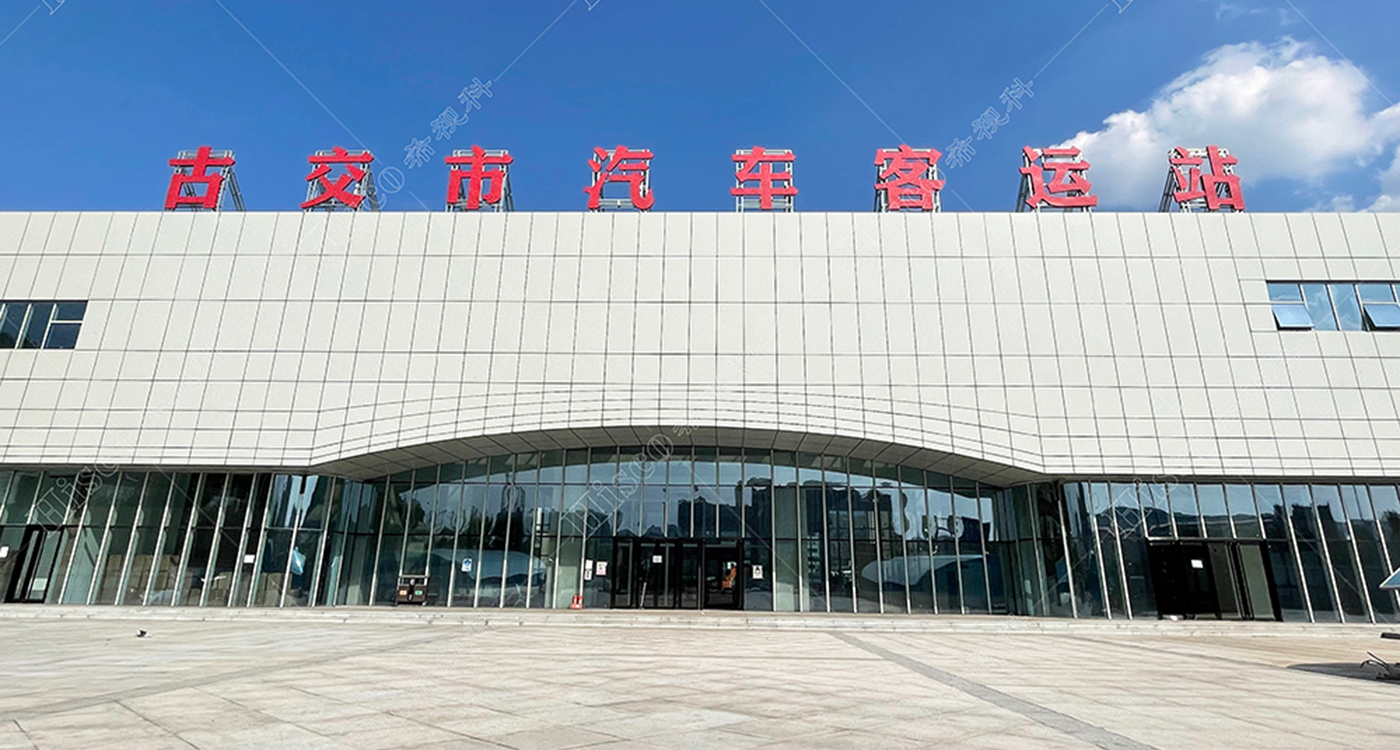
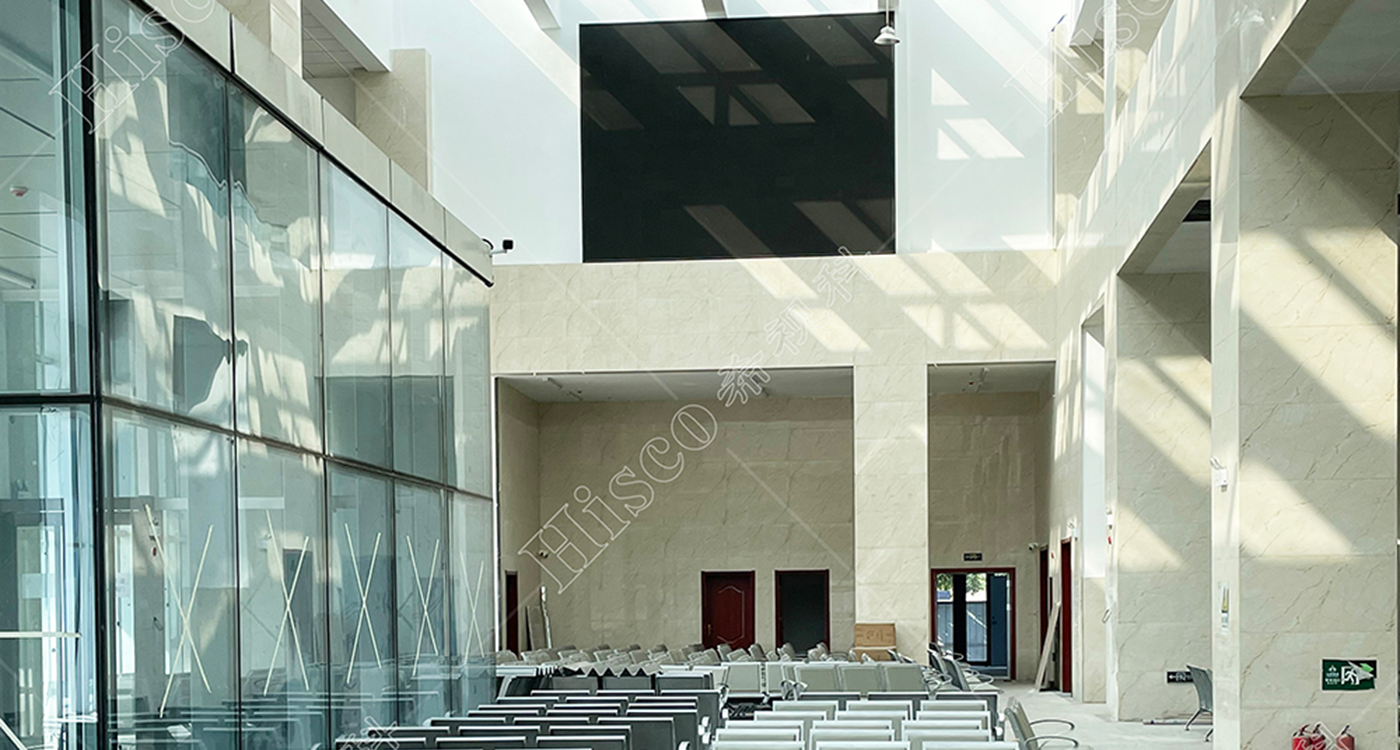
•The system consists of public broadcasting and service-oriented broadcasting, and mainly covers the following areas: passenger waiting areas, ticket offices, duty rooms, ticket-checking boarding platforms, station front squares, restrooms (utility rooms), exit passages and other premises.
IV. Application Effects
1. Each zone of the passenger terminal is equipped with independent broadcasting functions. Central dispatchers or regional duty officers may broadcast to designated zones as needed, for example, notifying the ticket office to suspend ticket sales for a specific coach route, or informing passengers in waiting areas to proceed for ticket checking and boarding.
2. In the event of a fire, the PA system automatically links up with the fire control system, triggers alarm tones and forces a switch to manual fire emergency paging. This enables timely and efficient passenger evacuation and prevents mass casualty incidents.
3. The station public address system supports secondary development and can be integrated with voice announcement platforms. In conjunction with speech synthesis software and display broadcasting systems, it synchronously broadcasts coach schedules and real-time service statuses. Pre-recorded reminders about theft and fraud prevention can be played throughout waiting halls. Meanwhile, upon detecting public security emergencies via surveillance cameras, staff may broadcast live voice instructions to coordinate on-site handling and create an audible deterrent against suspicious individuals.
4. Remote noise sensors are installed in high-footfall areas with variable ambient noise levels (e.g., waiting zones). They monitor real-time on-site noise and automatically adjust the volume of announcements and background music in corresponding zones, ensuring clear, non-abrasive broadcast audio.
5. Via the IP network, microphones at the station PA dispatch center support full-duplex calls with network paging microphones at matching workstations. The paged microphone plays a waiting tone and displays the ID number of the dispatching center’s calling microphone. Once the connection is established, two-way communication is available without disrupting other network microphones or ongoing broadcast tasks.
6. High-decibel waterproof horn speakers or column speakers are installed in the terminal square. Amid the global prevalence of terrorism, security management at passenger transport terminals has grown increasingly critical. Through seamless integration of broadcasting and video surveillance, duty personnel can spot incidents in the square on the monitoring platform and issue live voice announcements to the area, creating an effective deterrent to criminal activity.